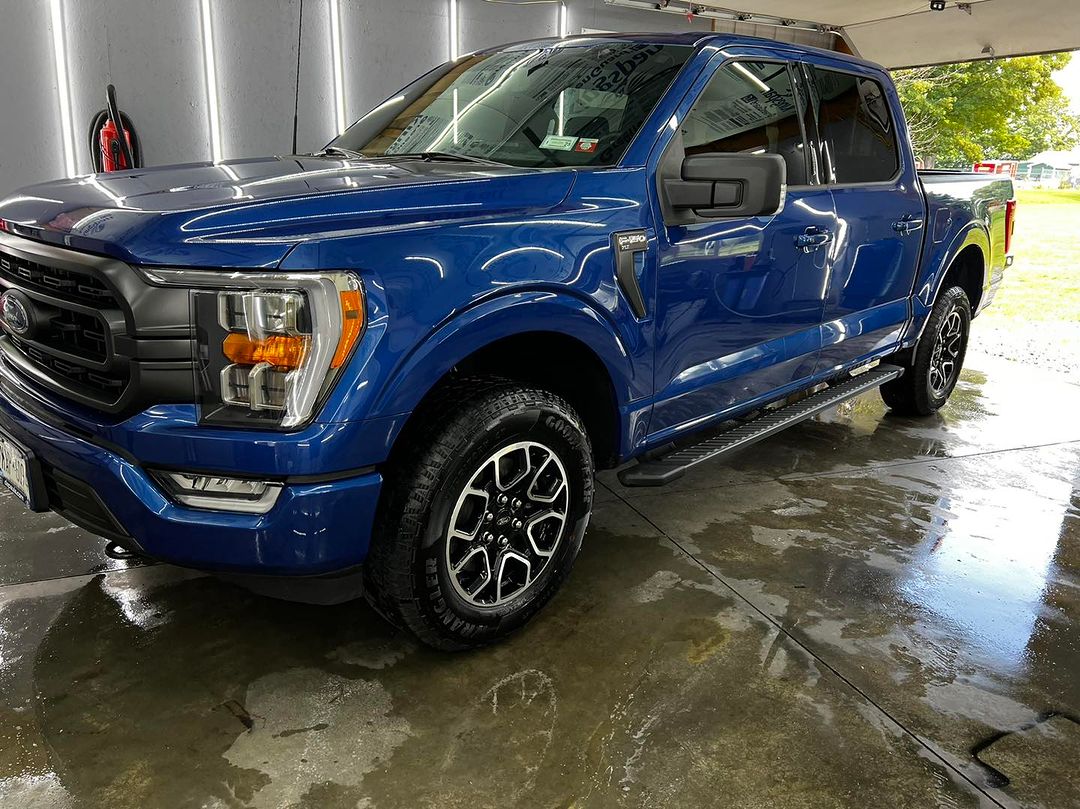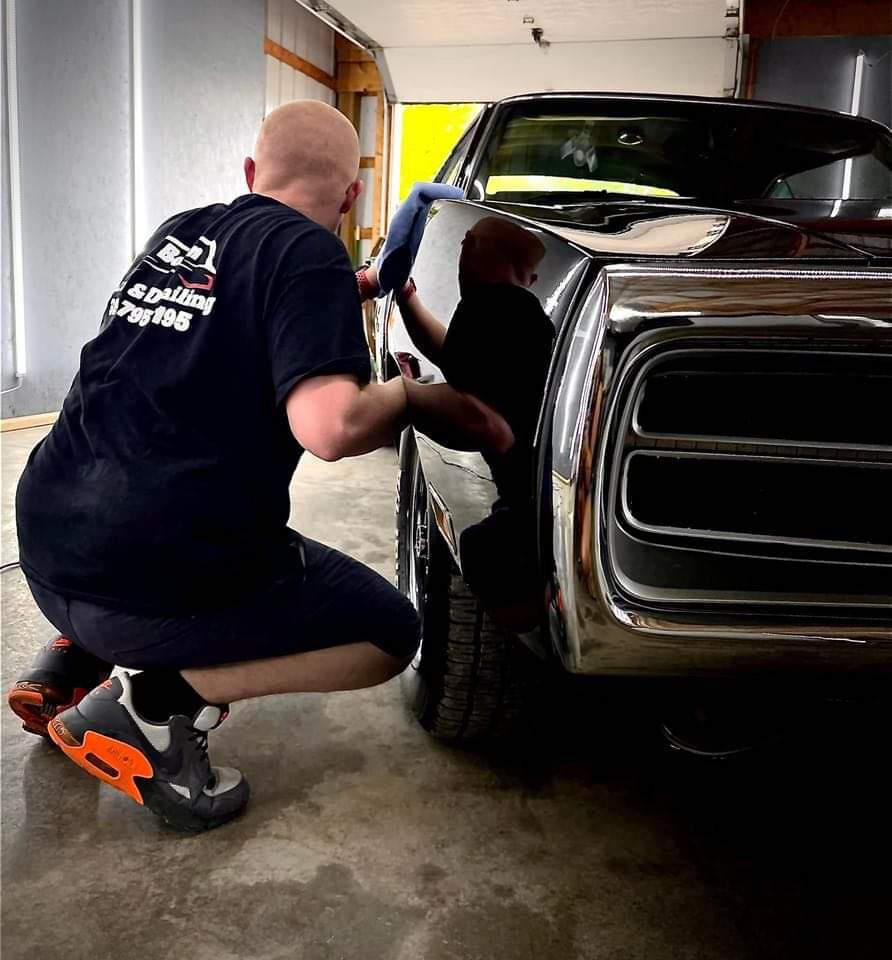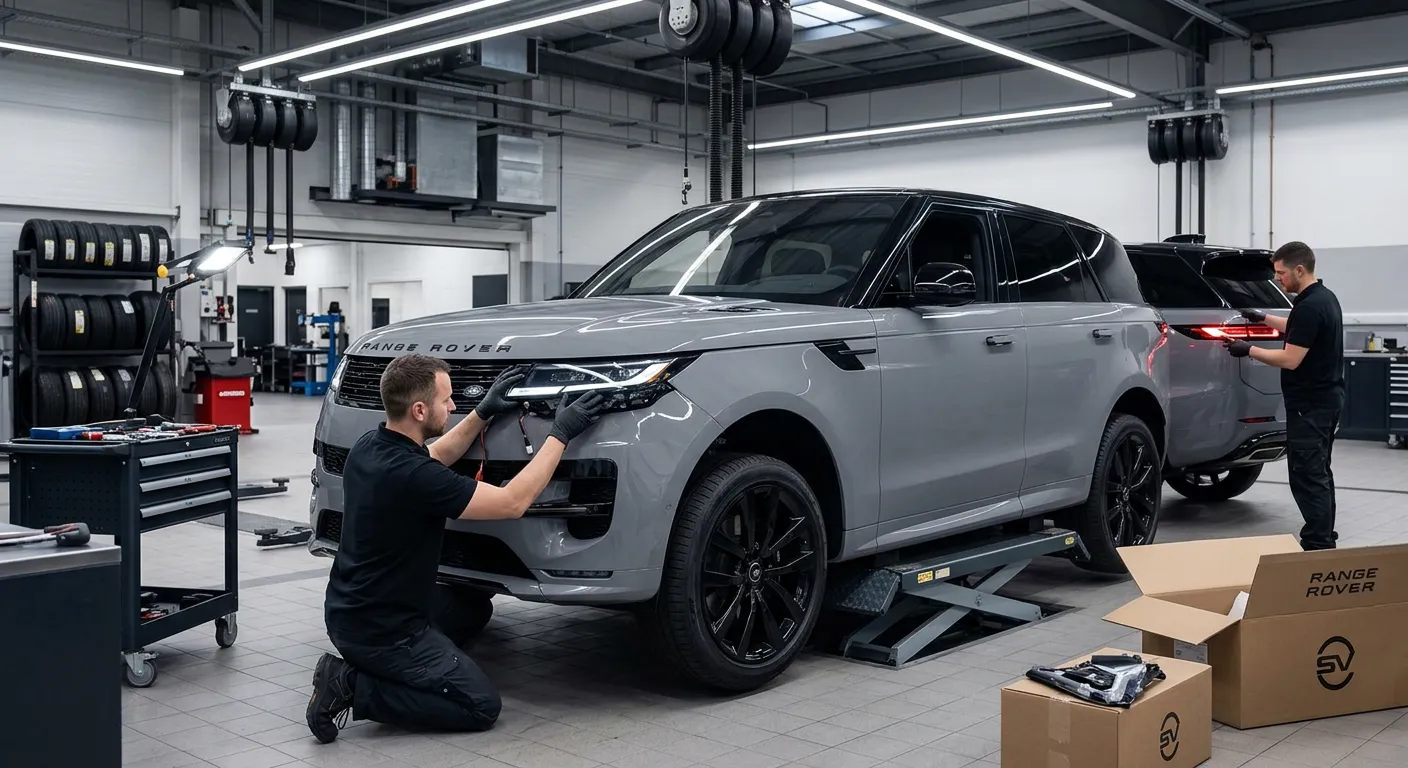
Headlight & Taillight Installation in Syracuse gives vehicle owners several ways to change the look and function of their exterior lighting. Depending on the vehicle, that can mean replacing faded housings, installing complete LED headlight assemblies, changing taillight assemblies, adding custom styling, or replacing damaged factory lighting.
The parts you choose matter just as much as the appearance.
Headlights have to put light where it belongs. Taillights, brake lights, and turn signals need to remain visible and function correctly. New York also sets requirements for vehicle lighting, and federal standards apply to replacement lighting equipment.
This makes exterior lighting different from a purely cosmetic modification.
Notorious Auto Protection provides headlight and taillight installation in Syracuse, NY. We can help vehicle owners plan lighting changes around fitment, wiring, appearance, and the way the vehicle will be used.
Here is what to know before buying new lights.
Exterior lighting work can range from replacing one damaged assembly to changing the appearance of the entire vehicle.
Possible upgrades include:
The correct approach depends on the factory lighting system.
A newer vehicle with factory LEDs is very different from an older vehicle using replaceable halogen bulbs.
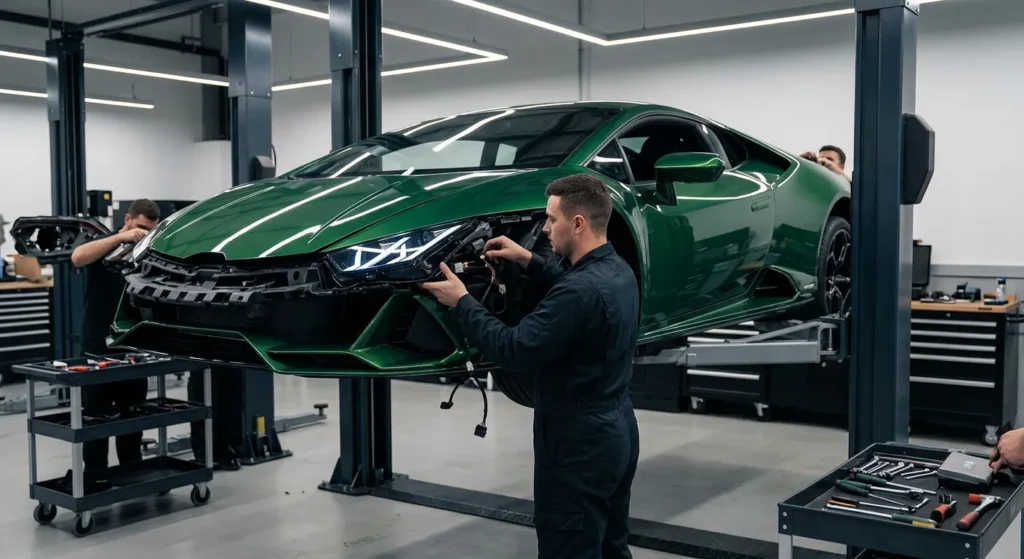
Before ordering parts, identify what the vehicle has now.
Drivers considering Headlight & Taillight Installation in Syracuse often want one of two things.
Some want to replace old or damaged lighting.
Others want a different appearance.
Those goals can overlap.
An older headlight assembly may have a cloudy lens, damaged mounting points, moisture problems, or other wear. Replacing the complete assembly can change the appearance while addressing a damaged part.
A custom taillight assembly can change the rear styling while retaining required brake, turn-signal, and taillight functions when the assembly is suited to the vehicle and applicable requirements.
Start by asking:
Those questions can narrow the choices quickly.
One of the most misunderstood lighting modifications is the LED headlight conversion.
There is a major difference between installing a complete headlamp designed as an LED system and putting an LED replacement bulb into a housing designed around another light source.
NHTSA addressed this issue in a 2023 interpretation of Federal Motor Vehicle Safety Standard No. 108.
The agency stated that LEDs can be used as the light source in an integral-beam headlamp when the complete headlamp complies with the applicable federal requirements.
NHTSA also stated that, as of that interpretation, LED replaceable light sources were not permitted for use in replaceable-bulb headlamps under FMVSS No. 108.
That distinction is worth remembering when shopping online.
A product listing that says an LED bulb physically fits your socket does not tell you whether the original headlamp was designed and certified around that type of light source.
A headlight is an optical system.
The bulb or LED is only one part of it.
The reflector, projector, lens, light source, mounting position, and aim work together to form the beam.
NHTSA has explained that changing the type of light source inside a headlamp designed for another source can change its photometric performance.
In plain language, the light can end up in the wrong places.
A setup can appear brighter when you look directly at the vehicle while still producing a poor beam on the road.
That is why brightness alone is a poor way to judge a headlight upgrade.
The beam pattern matters.
Two common headlight layouts are reflector and projector systems.
A reflector housing uses reflective surfaces to direct light from the source outward through the lens.
The reflector geometry is designed around the location and characteristics of the intended light source.
Changing that source can change the beam.
A projector uses an optical assembly that commonly includes a reflector, lens, and cutoff mechanism.
The complete projector is designed to shape the light.
A projector-style appearance does not automatically tell you how well a headlamp performs.
The full assembly still needs to be suited to the vehicle and its intended road use.
When changing headlight styles, look beyond the shape of the lens.
Check the complete assembly.
A properly installed headlight still needs to point in the correct direction.
Headlamp aim affects how the road is illuminated and how much light reaches other road users.
NHTSA’s federal lighting rules contain headlamp performance and aimability requirements.
Vehicle manufacturers also specify headlight aiming procedures after certain repairs. A Kia service bulletin filed with NHTSA, as one manufacturer example, instructs technicians to perform headlamp aiming after replacing the headlamp assembly.
New York’s equipment requirements call for an approved headlamp system.
After replacing a complete assembly, check that:
A new housing should not simply be bolted in and forgotten.
Custom taillights can change the rear appearance of a car, truck, or SUV.
Depending on the vehicle, replacement assemblies may use:
The required lighting functions still matter.
New York’s passenger-vehicle equipment document lists two red tail lamps on applicable passenger vehicles, along with red stop lamps and required turn-signal equipment.
A custom design should not sacrifice the required function just to create a different appearance.
LED technology gives lighting manufacturers more freedom in how an assembly looks.
Instead of relying on a single incandescent bulb behind a reflector, an LED assembly can use multiple lighting elements.
That can create:
The complete assembly needs to perform the functions required for the vehicle.
NHTSA has addressed LED replacement lighting in past interpretations and explained that replacement equipment is subject to federal lighting requirements.
This is another reason to treat a complete replacement assembly differently from putting a different bulb type into a housing that was designed around another source.
Dark-looking headlights and taillights are popular styling choices.
There is a difference between a lamp that was manufactured with a darker internal appearance and placing material over a lamp after it was made.
New York inspection regulations state that a vehicle can be rejected when foreign material placed on a headlamp interferes with its light beam.
The state also requires approved headlamp systems.
For taillights and other required lamps, correct operation, color, and visibility remain part of the equation.
If you want a darker look, consider an assembly designed to create that appearance while retaining its intended lighting functions rather than assuming a dark film or coating is suitable for required lamps.
New York sets requirements for passenger-vehicle lighting.
The New York State Department of Motor Vehicles equipment guide lists a DOT or SAE-approved headlight system for passenger vehicles.
The same DMV document lists required colors and positions for other lamps.
For applicable passenger vehicles, it lists:
The rules vary by vehicle and equipment type.
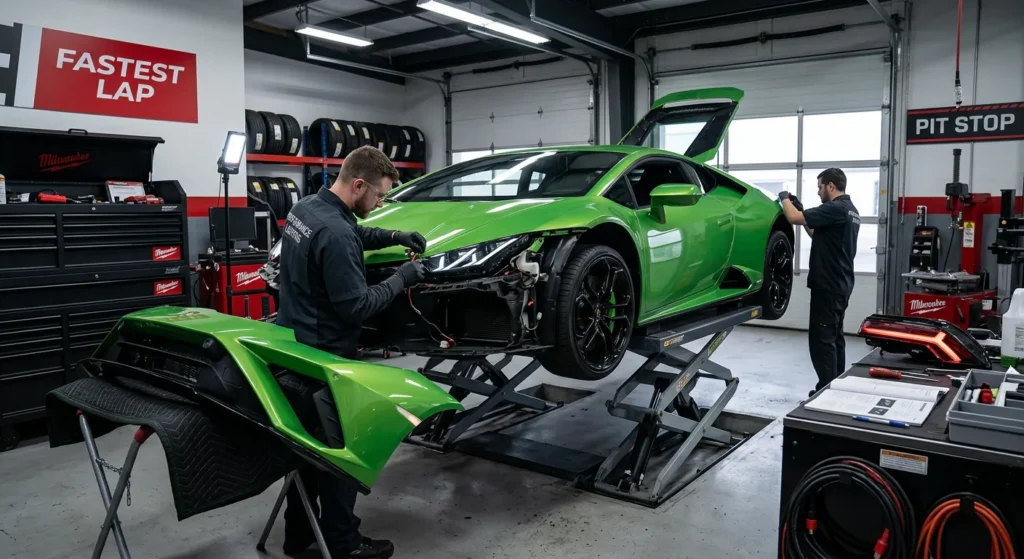
A lighting modification should retain the functions required for that vehicle.
New York’s motor vehicle inspection regulations include exterior lighting.
The DMV inspection rules list the lighting items that inspectors check, including:
The regulations state that all vehicles must have an approved headlamp system.
They also state that modifying an original headlamp system must result in replacement with a complete approved system.
This makes part selection worth considering before the installation begins.
A custom appearance does not remove inspection requirements.
Exterior lighting on a newer vehicle can involve more than positive and negative wires.
Modern vehicles may monitor lighting circuits and control exterior lights through electronic modules.
Depending on the vehicle, replacement lighting may require:
The exact requirements depend on the vehicle and replacement assembly.
Avoid cutting factory wiring without a reason.
A vehicle-specific plug-in solution can make future servicing easier when one is available and suited to the installation.
Some vehicles monitor the electrical characteristics of exterior lights.
Changing from one type of lamp to another can alter electrical behavior.
The vehicle may interpret that change as a failed lamp.
Possible symptoms after an incompatible lighting change can include:
This does not mean every LED installation will cause these symptoms.
It means electronic compatibility should be checked before buying the parts.
The lighting system needs to work with the vehicle, not just fit into the opening.
Many owners like the appearance of whiter headlamps.
Others are drawn to very blue-looking lighting.
Federal headlamp requirements address permitted light color, and NHTSA states that headlamps must emit white light within the boundaries defined by the federal standard.
A product being advertised as extremely blue, purple, or another unusual color should not be assumed to be suitable for normal public-road headlight use.
The same idea applies to required rear lighting.
Color serves a purpose.
A driver behind your vehicle needs to be able to distinguish brake lights, turn signals, backup lights, and other functions.
Truck owners often combine headlight and taillight changes with other exterior work.
A truck build might include:
Notorious Auto Protection provides several related truck services, including:
Plan exterior lighting around the truck as a whole.
If a bumper change is also planned, check whether it affects factory lighting, fog lights, sensors, or wiring.
Cars and SUVs can benefit from replacement lighting too.
A newer assembly can change the appearance of an older vehicle, especially when the original housings are worn or damaged.
A car owner might want:
Fitment should match the exact year, make, model, and sometimes trim level.
Vehicles can use different lighting systems within the same model year.
One trim may use halogen headlights while another uses a factory LED system.
Do not order lighting from the model name alone.
Check the existing equipment first.
If one headlight assembly is damaged, you may wonder whether both sides should be replaced.
There is no single answer for every vehicle.
Consider:
If both factory housings have aged similarly, replacing only one may leave a noticeable visual difference.
If one relatively new assembly was damaged in a collision or another isolated event, replacing only the affected side may make more sense.
Check fitment and part specifications before deciding.
Exterior lighting can look straightforward until fitment or electrical problems appear.
Several mistakes can make the project harder.
A bulb fitting into a socket does not mean it creates the correct headlight system.
NHTSA’s guidance on replaceable headlight sources makes that distinction clear.
More advertised lumens do not automatically mean a better road beam.
The optical system determines where the light goes.
Replacing a housing can change where the beam points.
Check aim after installation.
One vehicle model can have several factory lighting configurations.
Verify the exact equipment.
Custom assemblies may need different connectors, modules, or wiring arrangements.
Required lamps still need to perform their required functions.
NHTSA explains that the DOT marking on replacement lighting equipment represents the manufacturer’s certification of compliance. It should not be read as an individual product approval issued by NHTSA.
Notorious Auto Protection provides headlight and taillight installation in Syracuse, NY.
Our shop is located at:
Notorious Auto Protection
6742 Pickard Dr
Syracuse, NY 13211
Whether you are replacing worn lighting or changing the exterior styling, start with parts that fit the vehicle and retain the functions needed for road use.
Related services include:
Tell us what vehicle you have, what lighting it currently uses, and what you want to change.
That gives us a better starting point for discussing the installation.
Headlight & Taillight Installation in Syracuse should balance appearance, fitment, lighting function, and compatibility with the vehicle.
A complete LED headlight assembly is not the same thing as putting an LED replacement source into a headlamp designed around a different bulb.
Custom taillights still need to retain the functions required for the vehicle.
Headlight aim matters after replacement.
Wiring matters too, especially on vehicles that monitor their exterior lighting circuits.
If you want to change your vehicle’s headlights or taillights, call Notorious Auto Protection at (315) 552-4441.
You can also use our contact page to schedule an appointment at our Syracuse, NY shop.
Our hours are Monday through Saturday from 8 AM to 6 PM and Sunday from 8 AM to 5:30 PM.
A bulb that physically fits is not necessarily a compliant replacement light source for the original headlamp. NHTSA stated in a 2023 interpretation that LED light sources can be used in compliant integral-beam LED headlamps, but LED replaceable light sources were not permitted for use in replaceable-bulb headlamps under FMVSS No. 108 at the time of that interpretation. Check the complete lighting system and current rules before changing light-source type.
Yes. A complete LED headlamp can be designed as an optical system around its LED light source. An LED bulb inserted into a housing designed around a different replaceable light source changes one part of an existing optical system. NHTSA treats those situations differently under federal lighting requirements.
Headlight aim should be checked after replacing an assembly. Correct aim helps place the beam where the headlamp and vehicle manufacturer intended it. Manufacturer repair procedures may call for aiming after headlamp replacement.
The answer depends on the lamp, modification, and whether the required lighting continues to meet applicable rules. New York requires approved headlamp systems, and its inspection regulations state that foreign material on a headlamp that interferes with the light beam can cause rejection. Required rear lamps also need the proper operation and color.
Yes. New York’s vehicle inspection regulations include low and high beams, tail lamps, stop lamps, turn signals, four-way flashers, backup lights, and license-plate lamps.
Some vehicles monitor exterior-lighting circuits. A replacement assembly or light source with different electrical characteristics can cause bulb warnings, fast flashing, flickering, or other behavior when it is not compatible with the vehicle’s system.
Notorious Auto Protection provides headlight and taillight installation at 6742 Pickard Dr, Syracuse, NY 13211. Call (315) 552-4441 or visit our contact page to schedule an appointment.
Your vehicle is a significant investment, and ensuring its protection from the elements and everyday hazards is crucial to maintaining its value and appearance. In Syracuse, NY, where road conditions and weather can be unpredictable, combining STEK Paint Protection Film (PPF) and Window Tint offers the ultimate solution for safeguarding your car. At Notorious Auto Protection, we specialize in applying these premium products to provide your vehicle with maximum protection and enhanced aesthetics.
Product Brand: Auto Protection
Question about the service you're choosing, or simply ready to book? Contact us today to get started
Explore the many services we offer by clicking the boxes below