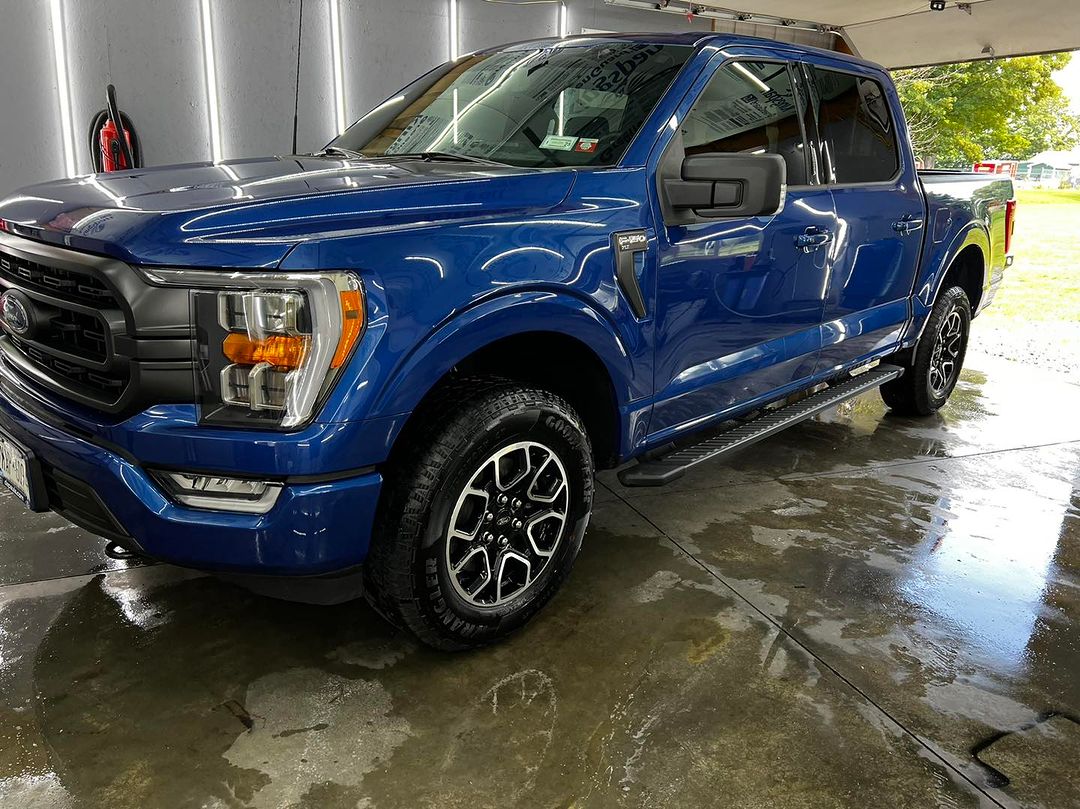
Leveling Kit vs Lift Kit is a decision many truck owners face when they want more tire clearance, a different stance, or changes to ride height. A leveling kit generally raises the front of a truck to reduce the factory front-to-rear height difference. A lift kit can raise more of the vehicle and may involve more suspension components, depending on the type and amount of lift.
The right choice depends on what you want your truck to do.
If your goal is mainly changing the stance and gaining some front tire clearance, a leveling kit may fit your plans. If you want a larger increase in ride height, more room for larger tires, or a truck built around off-road use, a lift kit may be a better match for those goals.
Truck owners also need to think about alignment, suspension geometry, tire size, wheel fitment, towing, handling, and manufacturer specifications before modifying ride height.
At Notorious Auto Protection, we provide truck lift and suspension kit installation, lift kit installation, truck wheels and tires, and other truck modifications in Syracuse, NY.
Let’s compare the two approaches.
Many trucks leave the factory with the rear sitting higher than the front.
A leveling kit is designed to reduce that front-to-rear height difference, usually by raising the front suspension.
The amount of height depends on the truck and kit.
Ford Performance, as one manufacturer example, sells leveling kits designed for specific Ford trucks. Its Ranger kit raises the front approximately two inches while maintaining the factory rear ride height.
That illustrates the basic idea.
Rather than raising the entire truck by the same amount, a leveling kit changes the front ride height to create a more level stance.
Truck owners may choose this type of modification because they want:
Vehicle-specific fitment still matters.
A leveling kit intended for one truck should not be assumed to fit another model, trim, drivetrain, or model year.
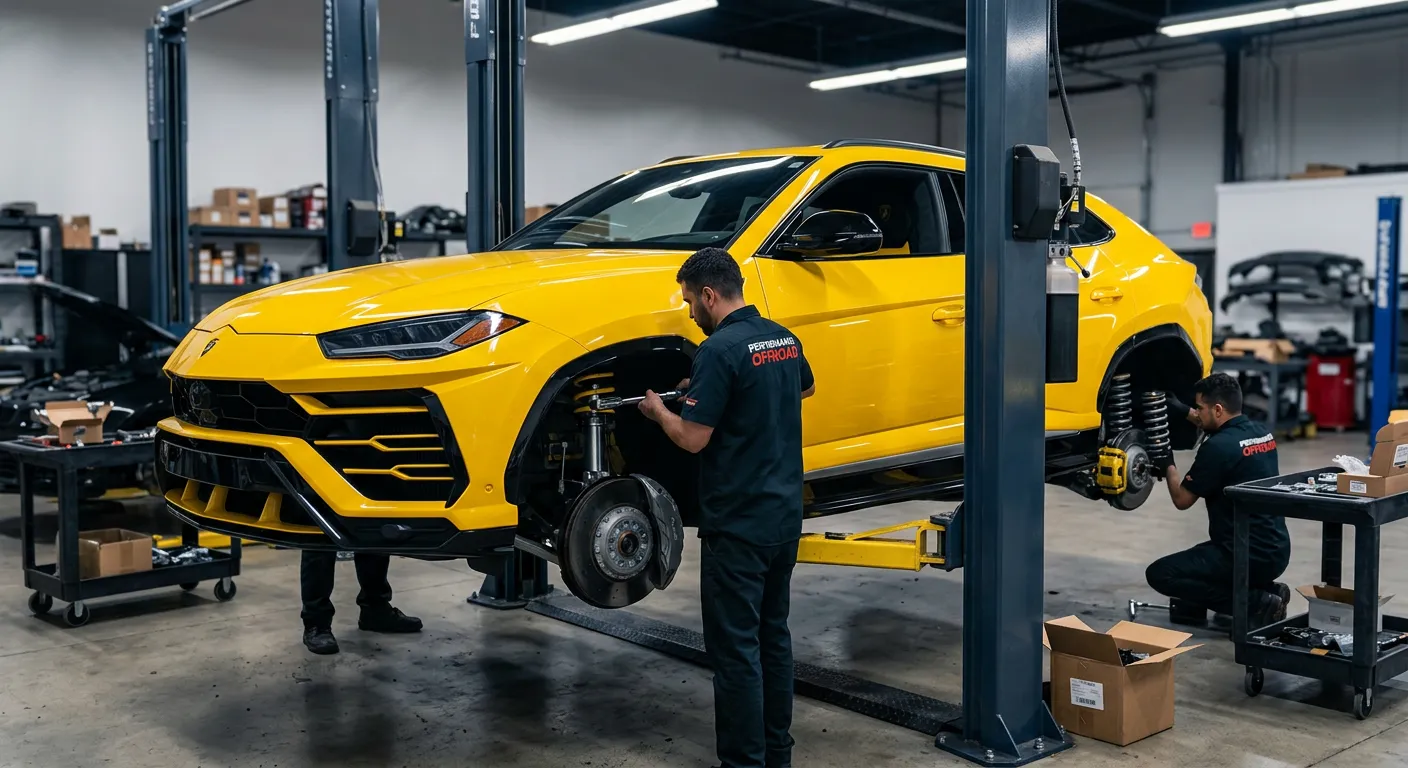
A lift kit raises the vehicle beyond its original ride height.
Suspension lift systems can change the position or components of the suspension to create additional height.
Depending on the truck and kit, a suspension lift may include parts such as:
The included components depend on the suspension design and amount of lift.
A lift kit is often considered when a truck owner wants more than a leveled stance.
That may include greater tire clearance or a more substantial increase in vehicle height.
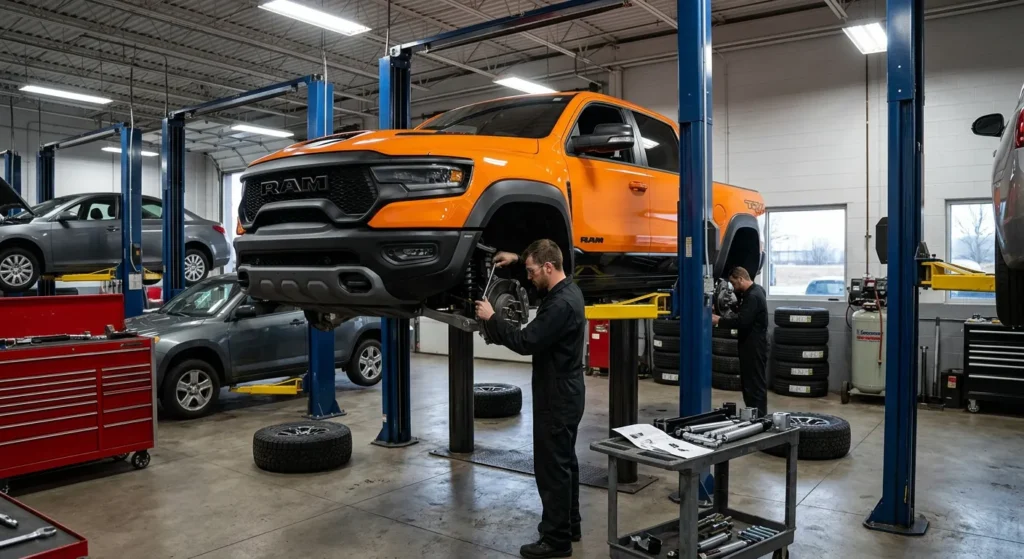
Notorious Auto Protection provides lift kit installation and truck lift and suspension kit installation in Syracuse, NY.
The simplest Leveling Kit vs Lift Kit comparison is this:
A leveling kit usually focuses on raising the front of the truck.
A suspension lift kit can raise more of the truck and may involve more suspension components.
That difference affects more than appearance.
It can influence:
The greater the change in ride height, the more attention needs to be paid to how the complete truck operates after modification.
The front-to-rear height difference found on many factory trucks is sometimes referred to as rake.
A truck may be designed with the rear sitting higher when unloaded.
This is part of the original vehicle configuration.
Truck owners sometimes choose a leveling kit because they prefer a stance where the front and rear appear closer in height when the vehicle is unloaded.
Before removing that factory rake, think about how you use the truck.
If you regularly carry cargo or tow, the vehicle’s loaded stance matters too.
A truck that looks level while empty may sit differently once weight is added.
There is no single leveling-kit height that applies to every truck.
The amount depends on:
Some kits may raise the front around one to two inches, while other applications differ.
Ford Performance’s Ranger leveling kit provides one manufacturer-backed example with approximately two inches of front lift.
Use specifications for the exact kit and truck being modified.
Do not assume that a kit advertised with a certain lift height will create identical measurements on every vehicle.
Existing suspension condition and factory configurations can affect the finished stance.
Lift kits are available in many heights.
Some create a relatively modest increase.
Others produce a much taller truck.
The right amount depends on the vehicle, tire plans, intended use, and suspension system.
More lift is not automatically better.
A taller truck changes the relationship between the chassis, suspension, steering, tires, and road.
It can also affect practical areas such as:
Decide how you use the truck before choosing lift height based only on appearance.
Both can change tire clearance, but a lift kit generally provides more room for substantial tire-size changes.
A leveling kit can create extra clearance around the front wheel openings on certain trucks.
That may allow a larger tire than the stock setup.
A suspension lift can provide greater clearance, depending on the kit.
There is an important catch.
Ride height alone does not determine whether a tire fits.
Tire fitment also depends on:
A tire can clear while the wheels are straight and still rub when steering or when the suspension moves.
Plan the suspension and truck wheel and tire setup together.
Larger tires are one of the reasons some owners consider leveling their trucks.
Raising the front can create additional room around the front wheel openings.
How much larger you can go depends on the truck.
Do not choose tires using lift height alone.
You also need to check what happens when:
Wheel specifications matter too.
Two trucks using the same tire size can have different clearance because the wheels use different offsets.
If larger tires are part of the project, discuss the truck wheels and tires at the same time as the suspension modification.
A suspension lift can create more room for larger tires, but the entire combination still needs proper fitment.
Larger tires can change more than appearance.
They may affect:
Vehicle electronics may also depend on tire size information.
Ford notes in its owner guidance that changing tire or wheel size can affect systems such as speedometer operation, and it directs owners to follow approved specifications.
Check your vehicle manufacturer’s information before making a large departure from the original tire size.
Suspension components operate through specific ranges and angles.
Changing ride height can change those angles.
This is why a suspension modification involves more than simply making the truck taller.
Depending on suspension design, ride-height changes can affect areas such as:
A small leveling change and a large suspension lift do not create the same effects.
Kit design matters too.
A well-matched system may include parts intended to address geometry changes associated with its lift height.
Follow the kit manufacturer’s instructions and vehicle-specific fitment requirements.
An alignment should be part of the discussion whenever suspension ride height changes.
Changing suspension position can change wheel alignment.
Ford Performance states that its Ranger leveling kit requires alignment after installation.
Other kit manufacturers also provide post-installation alignment instructions for their products.
Correct alignment affects:
Skipping alignment can leave you with a truck that looks the way you wanted but does not steer or wear tires as intended.
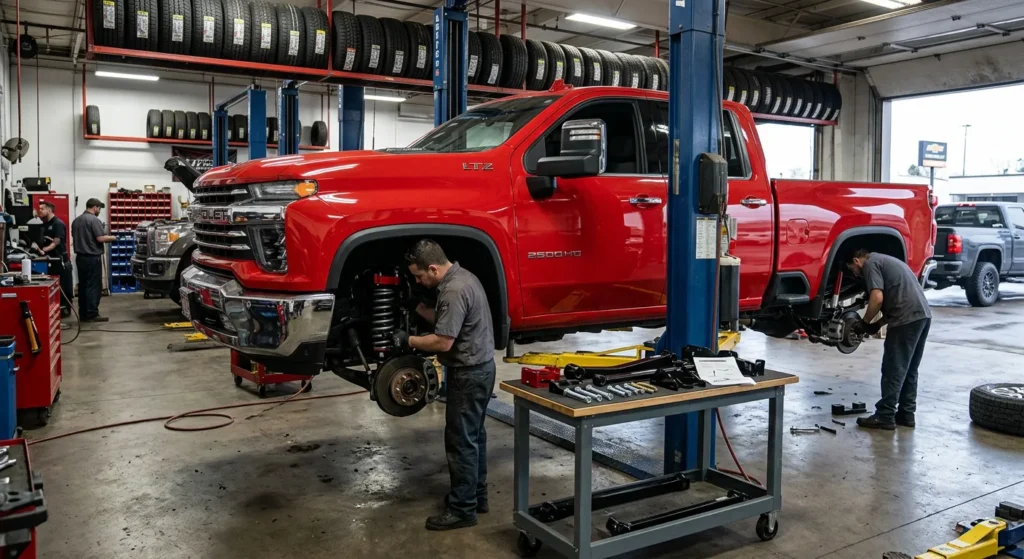
Check the instructions for the exact suspension kit being installed.
Raising a vehicle changes its center of gravity.
NHTSA explains that vehicles with a higher center of gravity have different rollover characteristics than lower passenger cars.
That does not mean a lifted truck will automatically roll over.
It means changes to vehicle height should be treated as functional modifications, not just cosmetic ones.
How the truck behaves after a lift can depend on:
Drivers should become familiar with how the truck responds after suspension and tire changes.
If you tow or haul, tell your installer before choosing a leveling or lift kit.
Suspension modifications do not automatically increase the manufacturer’s towing or payload ratings.
Your vehicle’s ratings come from the manufacturer and should still guide how much weight the truck carries or tows.
Ford tells truck owners to consult the vehicle’s labels and towing information for payload and towing limits.
A leveling kit can also change how an unloaded truck sits before a trailer or payload adds weight.
That matters if maintaining a certain loaded stance is part of your goal.
Trailer hitch height may also need attention after changing the truck’s ride height.
Do not assume that raising the truck changes what it is rated to tow.
It can.
Raising one end of a vehicle changes its body angle relative to the road.
That can affect where headlights point.
The same issue can occur with larger suspension changes.
After altering ride height, headlight aim should be checked and adjusted when necessary according to vehicle and local requirements.
This is easy to overlook because most owners are focused on stance and tires.
At night, headlight aim matters much more than how level the truck looks in a parking lot.
There is no universal list because trucks and lift systems differ.
A small suspension change may need far fewer supporting parts than a large lift.
Depending on the truck and system, the project may involve changes or checks related to:
Use the parts specified by the lift manufacturer for the exact application.
Avoid building a suspension around a random collection of components that were not intended to operate together.
For a daily-driven truck, think about how often you actually need additional height.
A leveling kit may fit an owner who wants:
A lift kit may fit an owner who wants:
Neither option is automatically right for every daily driver.
Parking, garages, passengers, cargo, highway driving, towing, and tire selection all matter.
Off-road plans can change what you need from the suspension.
Ground clearance, tire clearance, suspension travel, and component protection can all become part of the conversation.
A leveling kit can change front clearance and stance, but it is not automatically the same thing as an off-road suspension system.
A lift kit can provide more height, but height alone does not determine off-road performance.
The suspension, tires, traction, driver technique, and terrain all matter.
If off-road use is part of your plan, tell your installer before selecting the kit.
Notorious Auto Protection provides off-road wheels and tires along with truck lifts and other truck accessories.
Before ordering parts, answer a few questions.
If your main concern is reducing the factory rake, start by looking at leveling options.
If you want the whole truck noticeably taller, look at lift systems.
Choose suspension height and tire size together.
Do not install a kit and then discover that your preferred wheels and tires still do not fit properly.
Daily commuting, towing, hauling, off-road driving, and show-oriented builds can lead to different suspension choices.
A tall lift and larger tires increase total vehicle height.
Measure before building a truck that no longer fits where you park it.
Keep manufacturer towing and payload ratings in mind and consider how the suspension change affects hitch and trailer setup.
A modest stance change does not necessarily call for a large suspension lift.
Build around the result you want rather than choosing the tallest option available.
Notorious Auto Protection provides truck suspension and modification services in Syracuse, NY.
Our shop is located at:
Notorious Auto Protection
6742 Pickard Dr
Syracuse, NY 13211
If you are comparing a Leveling Kit vs Lift Kit, we can discuss your truck, desired stance, wheel and tire plans, and how you use the vehicle.
Our related services include:
Planning these parts together can help you choose a setup that makes sense as a complete truck rather than treating suspension, wheels, and tires as unrelated projects.
When comparing a Leveling Kit vs Lift Kit, start with what you want from the truck.
Choose a leveling kit when your plan centers on reducing front-to-rear rake and making a modest ride-height change.
Look at a lift kit when your plans call for a larger increase in height, more tire clearance, or a more extensive suspension build.
Then consider wheel fitment, tire size, alignment, handling, towing, headlight aim, and the manufacturer’s specifications for your truck.
Notorious Auto Protection can help Syracuse, NY truck owners plan and install suspension modifications.
Call (315) 552-4441 or visit our contact page to schedule an appointment.
Our hours are Monday through Saturday from 8 AM to 6 PM and Sunday from 8 AM to 5:30 PM.
A leveling kit generally raises the front of a truck to reduce the factory front-to-rear height difference. A suspension lift can raise more of the vehicle and may replace or reposition more suspension components. The exact design depends on the truck and kit.
A leveling kit can provide additional front tire clearance on some trucks, which may allow a larger tire. Fitment still depends on tire diameter, width, wheel offset, backspacing, suspension clearance, and steering clearance. Check the complete wheel and tire setup before buying parts.
Ride-height changes can affect wheel alignment. Some manufacturers, including Ford Performance for certain leveling kits, call for an alignment after installation. Follow the instructions for your exact kit and vehicle.
No. Installing a leveling or lift kit does not automatically increase the manufacturer’s towing or payload ratings. Follow the ratings and loading information provided for your truck.
Raising a truck can change its center of gravity and suspension geometry. Handling after modification also depends on lift height, suspension components, wheels, tires, alignment, load, and other factors. Become familiar with how the vehicle responds after modification.
A leveling kit can make sense for a daily driver when the owner wants a modest front height increase and a more level stance. A lift kit may suit a driver who wants a larger ride-height change. The choice depends on how the truck is used rather than one option being right for every daily driver.
Notorious Auto Protection provides truck lift and suspension kit installation and lift kit installation at 6742 Pickard Dr, Syracuse, NY 13211. Call (315) 552-4441 or use our contact page to schedule an appointment.
Your vehicle is a significant investment, and ensuring its protection from the elements and everyday hazards is crucial to maintaining its value and appearance. In Syracuse, NY, where road conditions and weather can be unpredictable, combining STEK Paint Protection Film (PPF) and Window Tint offers the ultimate solution for safeguarding your car. At Notorious Auto Protection, we specialize in applying these premium products to provide your vehicle with maximum protection and enhanced aesthetics.
Product Brand: Auto Protection
Question about the service you're choosing, or simply ready to book? Contact us today to get started
Explore the many services we offer by clicking the boxes below