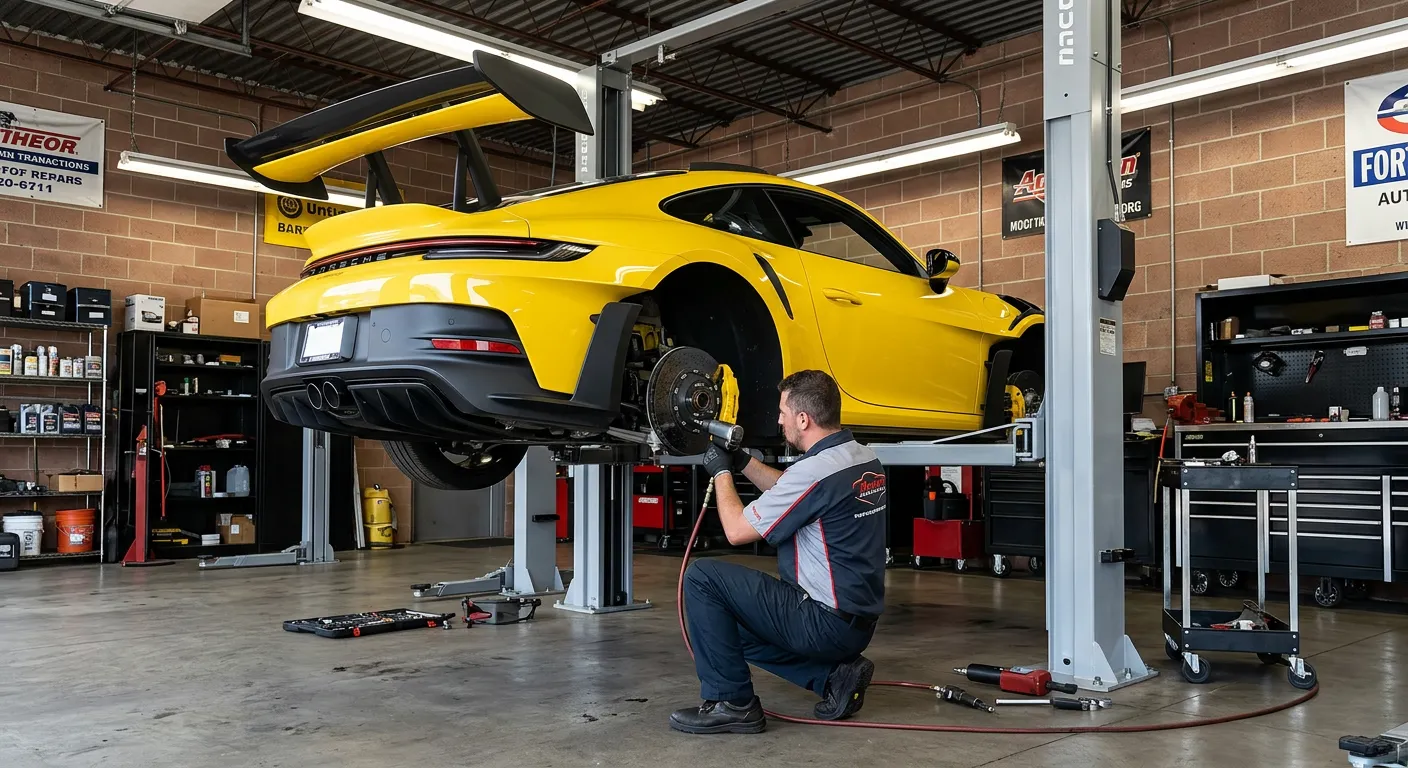
Brake Repair in Utica, NY often starts with three major disc brake components: brake pads, rotors, and calipers. These parts work together every time you press the brake pedal. When one develops excessive wear or another problem, you may notice squealing, grinding, vibration, pulling, changes in pedal feel, or longer stopping distances.
The difficult part is determining which component is responsible. A grinding sound does not tell you everything about rotor condition. A vibration does not automatically mean you need new rotors. A vehicle pulling during braking can have more than one possible cause.
That is why inspection comes before deciding which brake parts need service.
Notorious Auto Protection provides brake repair for Central New York vehicle owners. If you are coming from Utica, NY and have noticed a change in braking, our Syracuse shop can inspect the system and determine whether your pads, rotors, calipers, or other brake components need attention.
Most drivers know that pressing the brake pedal slows the vehicle, but several parts have to work together to make that happen.
Chevrolet identifies brake pads, rotors, and calipers as three major components of a disc brake system.
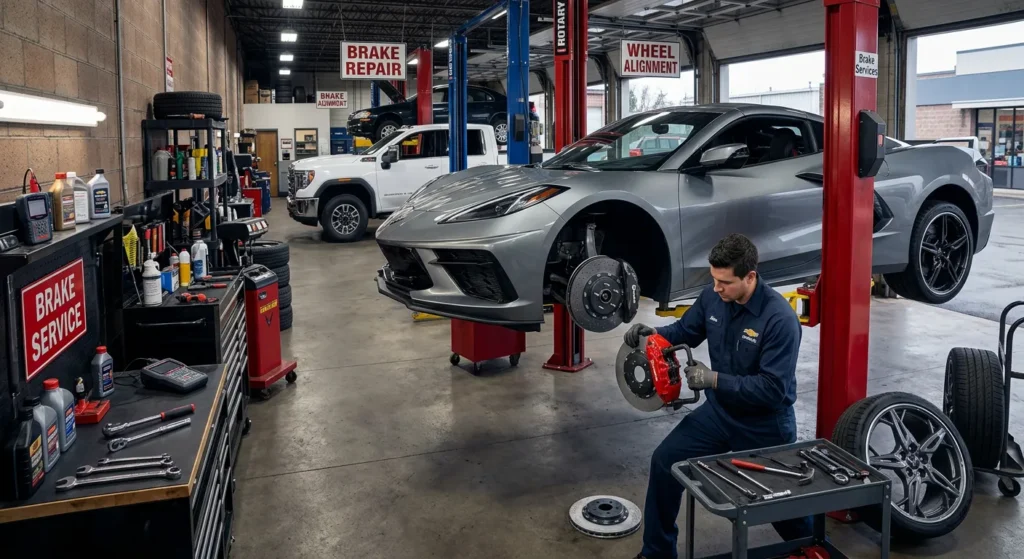
The rotor rotates with the wheel. Brake pads sit on opposite sides of the rotor, and the caliper is responsible for applying the pads against it.
When you apply the brakes, friction between the pads and rotor helps slow the rotating wheel.
Heat is produced during this process.
Repeated braking means these components experience friction, heat, and wear throughout their service life.
The amount of wear is not identical for every vehicle.
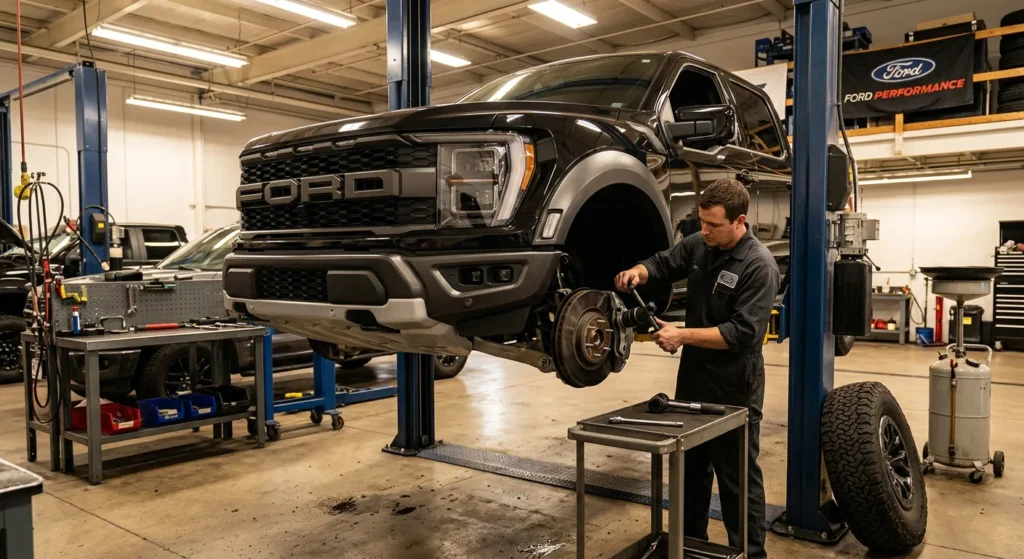
Chevrolet states that brake wear can vary depending on driving habits and conditions. This is one reason there is no single brake pad replacement mileage that works for every driver.
When you schedule Brake Repair in Utica, NY, the goal should be to find the cause of the symptom rather than automatically replacing a predetermined list of parts.
The braking system includes more than pads.
Depending on the vehicle, an inspection may involve:
Chevrolet says its multipoint brake inspection includes areas such as pads or shoes, rotors, calipers, hoses, and fluid lines.
Your vehicle may require additional checks based on its design and the symptoms you report.
Let’s break down the three components drivers hear about most often.
Brake pads are friction components.
In a disc brake system, the pads press against the rotor when braking force is applied.
That friction helps slow the wheel.
Because brake pads repeatedly contact the rotors, the friction material wears with use.
Some pads use wear indicators to warn the driver when the friction material reaches a certain point.
Chevrolet describes these indicators as metal tabs built into brake pads. When pad wear reaches the indicator, contact with the rotor can produce a squealing, chirping, or whistling noise.
Toyota also discusses brake pad wear indicators that make a warning sound when the pads have worn enough to require attention.
Possible brake pad warning signs include:
Noise alone does not confirm how much pad material remains.
Some brake noises can have other causes.
If the sound persists, an inspection can determine whether the pads are worn and whether other brake components have been affected.
Waiting too long can turn a pad issue into a larger brake repair.
Toyota warns that failing to replace worn pads when their warning noise occurs can result in rotor damage.
Once friction material has worn excessively, components may begin contacting surfaces they were not intended to contact directly.
That is one reason grinding should receive attention promptly.
Brake rotors are the discs that the brake pads contact.
The rotor spins with the wheel until braking force causes the pads to clamp against its surfaces.
Rotors are exposed to repeated heat and friction.
They also have manufacturer specifications that determine whether they remain suitable for service.
Chevrolet notes that brake rotors have minimum thickness specifications and should be replaced before reaching their minimum thickness.
This is an important point.
You cannot determine whether a rotor is serviceable by looking at a photo or listening to a noise alone.
Measurements and physical condition matter.
Possible symptoms associated with brake rotor or related brake concerns include:
Chevrolet identifies pedal or steering wheel vibration during braking as a sign that brake service may be needed.
The manufacturer also lists worn or heat-cracked rotors among possible causes of brake pulsation or noise.
That does not mean every vibration is caused by a bad rotor.
Tires, wheels, suspension components, brake hardware, and other parts can produce symptoms that feel similar from the driver’s seat.
Inspection helps separate those possibilities.
The caliper is another major part of a disc brake system.
Chevrolet explains that calipers hold the brake pads and are responsible for applying them against the rotors.
When you press the brake pedal, hydraulic pressure helps the caliper apply the pads.
Once braking force is released, the system needs to allow normal wheel movement again.
A problem with caliper operation can affect how evenly the brakes apply or release.
Calipers should not automatically be replaced every time brake pads are replaced.
Their condition needs to be evaluated.
Caliper-related symptoms can overlap with other brake problems.
Possible reasons to have the system inspected include:
Chevrolet lists pulling left or right while braking as one possible sign that brake service is needed.
A pulling vehicle does not automatically prove that a caliper has failed.
Alignment, tires, suspension components, road conditions, and other brake components can also affect vehicle movement.
The timing of the symptom can help.
If your vehicle consistently pulls when the brake pedal is applied, tell the technician exactly when it happens.
Not automatically.
Brake pads and rotors are separate components with separate service limits.
Pads are evaluated based on friction material condition and other factors.
Rotors need to be evaluated for thickness, condition, wear, and the vehicle manufacturer’s specifications.
There are situations where both may require replacement.
There are also situations where the rotor remains within specification when the pads need service.
The decision should come from inspection and measurements rather than assuming every brake job requires identical parts.
This approach also helps avoid replacing components without confirming they need service.
Brake vibration is one of the most common symptoms drivers associate with rotors.
Chevrolet lists vibration in the steering wheel or brake pedal during braking among its signs that brake service may be needed.
Possible brake-related causes can include rotor condition, brake pad condition, hardware, or other components.
There are also non-brake causes of vehicle vibration.
Here’s what matters: pay attention to when the shaking happens.
If the vehicle is smooth during normal cruising but consistently vibrates when you press the brake pedal, mention that pattern when scheduling service.
If the vehicle vibrates whether you are braking or not, tell the technician that too.
Notorious Auto Protection also provides suspension repair and wheels and tires, which can be relevant when diagnosing vehicle vibration.
A vehicle that pulls strongly to one side while braking needs attention.
Chevrolet includes pulling during braking among its brake-service warning signs.
Toyota also lists heavy pulling to one side during braking as a symptom that should be checked.
The cause cannot be confirmed from the pulling sensation alone.
Possible areas that may need inspection include:
Do not automatically purchase a caliper because the vehicle pulls.
Diagnosis should identify the cause first.
Grinding can indicate a brake problem that has progressed beyond an early warning noise.
Toyota lists grinding or scraping as a possible sign of badly worn brake pads.
Chevrolet also lists grinding among symptoms that can indicate the brakes need service.
If pad friction material becomes severely worn, continued operation can affect other brake components.
Grinding can have other causes, so the sound itself is not a complete diagnosis.
Still, it is not a noise to ignore.
If grinding is combined with poor braking, a soft pedal, pulling, or a warning light, arrange for the vehicle to be inspected promptly.
Your brake pedal should have a familiar feel.
If it suddenly becomes softer or spongier than normal, something has changed.
Chevrolet identifies a spongy brake pedal as one sign that brake service may be needed.
Toyota also identifies a spongy brake pedal that nearly reaches the floor as a symptom requiring attention.
A soft pedal can have different causes within the hydraulic braking system.
Do not repeatedly drive the vehicle hoping the pedal will return to normal.
If the pedal nearly reaches the floor or the vehicle does not stop normally, stop driving when it is safe and arrange for professional service.
A dashboard warning light provides another clue.
Brake and ABS warning lights do not all mean the same thing.
The correct response depends on the vehicle and which light is illuminated.
Chevrolet states that a brake system warning light can indicate a brake problem and may illuminate when brake fluid is low. Its guidance tells drivers to stop carefully when safe if the warning appears while driving and arrange service if it remains illuminated.
An ABS warning light may indicate a problem with the anti-lock braking system.
Check your owner’s manual for the warning-light instructions that apply to your exact make, model, and year.
If braking performance has also changed, treat the situation more seriously than a routine maintenance reminder.
There is no universal brake service interval that applies to every vehicle.
Follow your manufacturer’s maintenance schedule.
You should also schedule an inspection when symptoms develop between routine service visits.
Brake wear can vary with:
Chevrolet states that brake wear varies based on driving habits and conditions.
Toyota also notes that brake pad life varies with driving habits and road conditions.
Your own vehicle’s maintenance information should remain the reference for scheduled service.
Drivers traveling between Utica, NY and Syracuse, NY experience four-season Central New York conditions.
Winter can bring snow, slush, moisture, freezing temperatures, and treated roads.
These conditions make routine vehicle inspections worth considering, especially before or after months of winter driving.
Brakes contain exposed components around each wheel, so inspecting more than pad thickness can help identify wear or other conditions that need attention.
Depending on the vehicle, an inspection may include pads, rotors, calipers, hoses, lines, fluid-related components, and hardware.
If you drive regularly between Utica, NY and Syracuse, NY, highway mileage can add up quickly as well.
Pay attention to changes rather than waiting for a specific mileage number.
A brake inspection is meant to answer a simple question: what does this vehicle actually need?
The remaining friction material and wear pattern can be inspected.
Uneven wear can provide information about how the system is operating.
Rotors can be inspected for wear, damage, and measurements relevant to manufacturer specifications.
Caliper condition and operation can be checked when symptoms or inspection findings point toward a concern.
The hydraulic system relies on brake fluid moving through lines and hoses.
These components may need inspection for visible concerns.
Brake fluid condition and service requirements should follow the vehicle manufacturer’s recommendations.
Related brake hardware can also affect how components fit and operate.
ABS or brake warning lights may require electronic diagnosis in addition to physical inspection.
The findings determine the next step.
Brake symptoms overlap.
Grinding might suggest severe pad wear, but the condition of the rotors still needs inspection.
Vibration may point toward a brake concern, but other vehicle components can cause vibration too.
Pulling may involve the brakes, tires, suspension, or another condition.
A warning light requires identifying what the vehicle’s computer or braking system is reporting.
This is why replacing the part that seems most obvious is not always the right approach.
A brake inspection provides information about the actual condition of the system.
If you are looking for Brake Repair in Utica, NY, Notorious Auto Protection serves vehicle owners throughout Central New York from our Syracuse location.
Our shop is located at:
Notorious Auto Protection
6742 Pickard Dr
Syracuse, NY 13211
We provide brake repair along with other vehicle services that may be relevant when diagnosing handling, vibration, or driving concerns.
These include suspension repair, wheels and tires, and exhaust system repair and upgrades.
Notorious Auto Protection also provides vehicle appearance and protection services, including paint protection film, ceramic coating, window tinting, paint correction, and auto detailing.
Your pads, rotors, and calipers work together, which is why brake problems should be diagnosed as a system.
Squealing may indicate pad wear.
Grinding can point toward a more advanced brake concern.
Vibration may require checking the rotors and other components.
Pulling can require inspection of calipers, brakes, tires, suspension, or related parts.
A soft pedal or reduced braking response deserves prompt attention.
If you are searching for Brake Repair in Utica, NY and are willing to visit our Syracuse shop, call Notorious Auto Protection at (315) 552-4441 or use our contact page to schedule an appointment.
Our shop hours are Monday through Saturday from 8 AM to 6 PM and Sunday from 8 AM to 5:30 PM.
Persistent squealing, scraping, grinding, or changes in braking performance can be reasons to have your brake pads inspected. Some pads have wear indicators designed to make noise as the friction material wears. An inspection can determine remaining pad material and whether replacement is needed.
Brake pedal pulsation, steering wheel vibration during braking, grinding, or visible rotor concerns can be reasons for inspection. Rotors also have manufacturer thickness specifications. Measurements and condition should determine whether a rotor remains serviceable.
Pulling while braking, uneven brake wear, unusual heat at one wheel, fluid leakage, or changes in braking behavior can be reasons to inspect the calipers. These symptoms can have other causes, so diagnosis is needed before replacing a caliper.
No. Whether rotors need replacement depends on their condition, measurements, manufacturer specifications, and other inspection findings. Pads and rotors are separate components and should be evaluated based on their actual condition.
Grinding can occur when brake pads are badly worn, although other brake problems can also produce unusual sounds. Toyota and Chevrolet both identify grinding as a brake-service warning sign. Have the brakes inspected promptly rather than continuing to drive until braking performance changes.
A soft or spongy brake pedal can indicate a brake system problem. If the pedal nearly reaches the floor or the vehicle is not stopping normally, stop driving when safe and arrange for service. Follow the emergency guidance in your vehicle owner’s manual.
Notorious Auto Protection provides brake repair from our shop at 6742 Pickard Dr, Syracuse, NY 13211. Drivers coming from Utica, NY can call (315) 552-4441 or use our contact page to schedule an appointment.

Your vehicle is a significant investment, and ensuring its protection from the elements and everyday hazards is crucial to maintaining its value and appearance. In Syracuse, NY, where road conditions and weather can be unpredictable, combining STEK Paint Protection Film (PPF) and Window Tint offers the ultimate solution for safeguarding your car. At Notorious Auto Protection, we specialize in applying these premium products to provide your vehicle with maximum protection and enhanced aesthetics.
Product Brand: Auto Protection
Question about the service you're choosing, or simply ready to book? Contact us today to get started
Explore the many services we offer by clicking the boxes below