Window tinting in Baldwinsville, NY and Camillus, NY gives drivers choices for reducing glare, blocking UV exposure, managing solar heat, adding privacy where New York law permits it, and changing the appearance of a car, truck, SUV, or Tesla. The film itself is only part of the decision. New York has strict visible-light-transmission rules, and those rules are checked during the state’s annual vehicle inspection.
At Notorious Auto Protection, we provide window tinting from our shop at 6742 Pickard Dr, Syracuse, NY 13211. We install STEK automotive window film for drivers coming from Baldwinsville, NY, Camillus, NY, Syracuse, NY, Liverpool, NY, North Syracuse, NY, and nearby Central New York communities.
As of November 6, 2026, New York’s enacted tint law still requires at least 70% visible light transmission on windows covered by the state’s 70% rule. A bill proposing a 50% standard passed the New York Senate and Assembly in 2026, but it has not become law as of this writing.
That distinction matters when choosing film.
A shade that looks good on a sample card does not automatically make it legal for every window on every vehicle.
This guide covers STEK carbon, ceramic, and graphene-infused ceramic tint, visible light transmission, passenger-car and SUV rules, windshield tint, rear windows, annual inspections, medical exemptions, and the pending New York tint-law proposal.
Window tinting in Baldwinsville, NY and Camillus, NY can serve several purposes.
Some drivers want less glare while traveling in bright sun.
Others want a darker appearance on windows where New York law permits it.
Heat management is another reason people look at modern automotive film.
STEK’s current Lunaray automotive lineup includes carbon, ceramic, and graphene-infused ceramic films made with different heat-rejection characteristics.
Drivers may consider tint for:
The film that fits one driver may not fit another.
A sedan owner faces different rear-side-window rules from many SUV and truck owners.
That makes vehicle classification part of the tint conversation.
VLT stands for Visible Light Transmission.
It tells you how much visible light passes through a window.
A higher VLT number means more light passes through.
A lower VLT number means the window appears darker.
A window measuring 70% VLT allows more visible light through than a window measuring 20% VLT.
Here is the catch.
The film’s labeled VLT is not the only number that matters.
Your factory glass already has its own light-transmission level. New York’s requirement applies to the finished window as installed on the vehicle.
That means choosing film based only on the number printed on a film sample can put a finished window below the legal limit.
For windows subject to New York’s 70% rule, the completed glass and film combination needs to meet the required light transmission.
New York Vehicle and Traffic Law Section 375 currently sets the state’s window-tint rules.
For model year 1992 and newer vehicles, the rules include a 70% visible light transmission minimum for several windows.
The exact rule depends on where the window is located and, for rear side windows, how the vehicle is classified.
| Window | Current Rule |
|---|---|
| Windshield below uppermost 6 inches | At least 70% VLT |
| Front side windows | At least 70% VLT |
| Rear side windows on sedans, coupes, hatchbacks, station wagons, hardtops and convertibles | At least 70% VLT |
| Rear side windows on many SUVs, vans and trucks | The passenger-car 70% rear-side-window rule does not apply |
| Rear window | At least 70% VLT unless the vehicle has properly adjusted outside mirrors on both sides |
| Medical exemption | Available only when DMV approves a qualifying medical request |
Model year 1991 and earlier vehicles are handled differently under New York’s inspection regulations.
For most drivers researching window tinting in Baldwinsville, NY and Camillus, NY, the 1992-and-newer rules are the ones that matter.
The front side windows are the windows beside the driver and front passenger.
Under the current New York law, these windows cannot have a light transmittance below 70%.
That rule applies regardless of whether you drive:
This is where drivers need to be careful when choosing a tint shade.
A dark film that may be allowed on the rear side glass of an SUV can still be illegal on the front doors.
New York inspection stations check applicable window tint as part of the annual safety inspection.
If the finished front side window does not meet the required visible-light-transmission standard, the vehicle can fail inspection.
New York also restricts windshield tint.
Current Vehicle and Traffic Law Section 375 requires at least 70% light transmission through the windshield unless the material is limited to the uppermost six inches.
That upper strip gives drivers some room for a sun-shade-style treatment.
The rest of the windshield remains subject to the 70% standard.
Do not assume that because a film looks nearly clear it automatically meets the law.
The finished windshield is what matters.
If you want heat or UV control with very little visual darkness, ask what film choices can be considered while keeping New York’s transmission requirement in mind.
New York treats several passenger-car body styles differently from SUVs, vans, and trucks.
The current law states that rear side windows must meet the 70% standard when the vehicle is classified as a:
That means a sedan owner cannot automatically use dark rear-door tint simply because the film is behind the driver’s seat.
This rule surprises drivers who have seen darker rear windows on SUVs and pickups.
Vehicle classification matters.
For window tinting in Baldwinsville, NY and Camillus, NY, tell us the exact year, make, and model before choosing a rear-window shade.
The rear-side-window language in New York Vehicle and Traffic Law Section 375 lists passenger-car types such as sedans, coupes, hatchbacks, station wagons, hardtops, and convertibles.
Vehicles classified outside those listed passenger-car categories can be treated differently for rear side glass.
That is why many SUVs, vans, and pickups can legally have darker rear side windows than a sedan.
The front windows remain subject to the 70% requirement.
A common setup on SUVs and trucks is factory privacy glass behind the front doors.
Owners may want film for heat or UV control over that glass or may want the front appearance to look closer to the rear.
The legal limits still need to be considered before choosing film.
The rear window has another rule.
New York law sets a 70% light-transmission requirement for the rear window, but it provides an exception when the vehicle has outside mirrors on both sides that are adjusted to give the driver a clear and full view of traffic behind the vehicle.
That mirror exception matters for many vehicles with darker rear glass.
The mirror requirement should not be confused with the rear side window rule.
They are separate parts of the law.
Before choosing a rear-window film, check the vehicle’s mirror setup and classification.
This is worth addressing because drivers may have seen headlines saying New York changed its tint law.
As of November 6, 2026, the current enacted law still uses the 70% standard described above.
New York Assembly Bill A5306 passed the Assembly on February 24, 2026 and passed the Senate on June 2, 2026.
The proposal would reduce several light-transmission limits from 70% to 50%.
The official New York Senate bill page currently lists A5306 as:
Passed Senate & Assembly
It does not list the measure as enacted law.
The current published version of Vehicle and Traffic Law Section 375 still states 70%.
Bottom line, do not choose a 50% setup today based only on news that the bill passed both chambers.
Until a change becomes law and reaches its effective date, the existing law remains the rule drivers and inspection stations need to follow.
New York requires registered vehicles to undergo a safety inspection at least once every 12 months.
Window tint is part of that inspection.
The New York DMV inspection regulations tell inspectors to check applicable windows for visible light transmission.
For model year 1992 and newer vehicles, the inspection standard uses 70% VLT for windows covered by that rule.
If a window clearly meets the standard, the regulations state that a tint meter does not always need to be used.
When compliance is not clear, an inspector can measure the glass.
Vehicles with a valid DMV medical-exemption sticker are handled under the exemption rules.
This is one reason legal compliance should be part of the film-selection discussion before installation rather than something considered at the next inspection.
New York does have a medical window-tint exemption process.
The exemption is not automatic because someone prefers darker tint or experiences ordinary sun glare.
The DMV requires an application for a qualifying medical condition.
The current form is MV-80W, Application for Tinted Window Exemption.
The form states that the person seeking an exemption must have a qualifying medical need to be shielded from direct sunlight and must meet New York’s listed medical criteria.
The application includes documentation from a New York State licensed physician, physician assistant, or nurse practitioner.
The DMV decides whether the exemption is granted.
If approved, the DMV provides the required exemption identification.
If you think you may qualify, complete the DMV process rather than assuming a doctor’s note alone changes the law.
Notorious Auto Protection installs STEK Window Tint.
STEK’s current Lunaray automotive film lineup includes several film technologies.
The main choices include:
All three are designed for automotive glass, but their heat-rejection performance differs.
Shade choice and film technology are separate decisions.
You can choose a lighter film and still select a higher-performance ceramic construction.
This is useful in New York, where legal VLT rules can limit how dark certain windows may be.
STEK ACTION+ is a carbon automotive window film.
STEK lists ACTION+ with:
STEK also states that ACTION+ does not interfere with Wi-Fi, cellular, or radio frequencies.
ACTION+ can make sense for drivers who want carbon window film and do not need the higher heat-rejection figures offered by STEK’s ceramic lines.
The exact shade still needs to fit New York law for the window where it will be installed.
STEK SMART+ moves into nano-ceramic window-film construction.
The manufacturer lists SMART+ with:
STEK publishes a SMART+ range from dark films through lighter options.
Do not select the film only by its product name or listed VLT.
For windows subject to New York’s 70% rule, the finished glass needs to comply after the film is installed.
SMART+ may appeal to drivers researching window tinting in Baldwinsville, NY and Camillus, NY who care about heat control but do not necessarily want the darkest possible appearance.
STEK NEX+ is the company’s graphene-infused ceramic automotive tint.
STEK lists NEX+ with:
NEX+ is positioned as STEK’s higher-performance automotive tint option.
The product line includes light and dark films, which gives installers room to match the film technology to different parts of a vehicle.
Here is what matters for New York drivers.
Higher heat rejection does not require choosing the darkest film available.
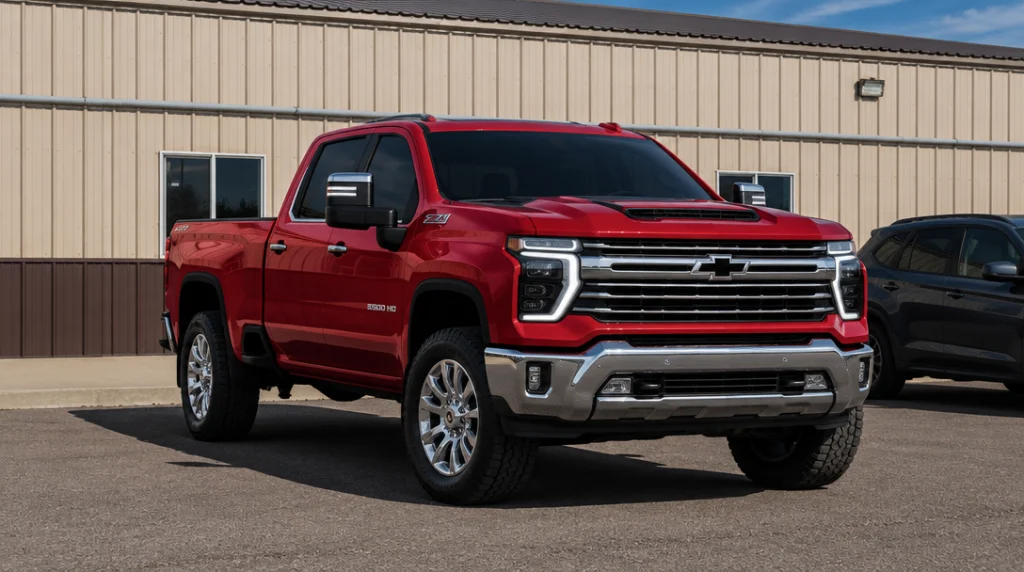
Film technology and tint darkness are not the same thing.
Many drivers assume darker tint automatically means better heat rejection.
Modern automotive film makes the decision more complicated than that.
STEK offers carbon and ceramic films with different solar and infrared performance at multiple visible-light-transmission levels.
That means a lighter ceramic film can be chosen for heat management without simply selecting a dark shade.
This can be useful for New York drivers because the law limits tint darkness on front side glass and several other windows.
When comparing films, ask about:
Then compare those characteristics with the legal requirements for your vehicle.
Sedan owners need to pay close attention to New York’s rear-side-window rule.
Under current law, the 70% requirement applies to the rear side windows of sedans along with the front side windows.
That means a legal sedan tint plan can look much lighter than the dark rear setup seen on many SUVs.
Before installing film, consider:
Do not copy an SUV tint setup onto a sedan and assume the rules are the same.
They are not.
SUV and pickup owners have more flexibility on many rear side windows because the passenger-car rear-side rule does not apply in the same way.
That makes it possible to plan darker rear glass while keeping the front side windows within New York’s limit.
Many SUVs already have dark factory privacy glass behind the front seats.
Adding film over that glass can change both appearance and solar performance.
The final shade can become much darker than the film sample alone suggests because the existing privacy glass is already dark.
That is another reason the vehicle itself should be considered before choosing a film.
Tesla vehicles can have large glass areas, making window-film selection a common topic among owners.
Notorious Auto Protection provides dedicated Tesla window tinting from our Syracuse, NY shop.
Tesla owners can discuss:
The same New York tint rules still apply.
Owning an EV does not create a separate window-tint exemption.
After installation, the film needs time to settle and dry.
Follow the aftercare directions given for the film installed on your vehicle.
You may notice temporary moisture or a slightly hazy appearance while the installation solution dries.
Avoid picking at film edges.
Use cleaners and towels suited to automotive window film.
When cleaning tinted glass:
If you notice lifting, bubbling that does not settle, or another film concern, contact the installer rather than trying to repair the film with a blade or household adhesive.
Notorious Auto Protection provides window tinting near Baldwinsville, NY and Camillus, NY from our Syracuse, NY shop.
Our address is:
Notorious Auto Protection
6742 Pickard Dr
Syracuse, NY 13211
Baldwinsville, NY is an Onondaga County village located along the Seneca River and is part of the Syracuse metropolitan area.
Camillus, NY is west of Syracuse, NY, with Route 5 serving as one of the area’s major east-west travel corridors.
Drivers coming from either community can contact us to discuss the vehicle before making the trip.
Related services include:
Call (315) 552-4441 with your vehicle year, make, model, and the windows you want tinted.
As of November 6, 2026, New York’s current law still requires at least 70% visible light transmission on the windshield below the permitted upper strip and on front side windows. The 70% rule also applies to rear side windows on sedans, coupes, hatchbacks, station wagons, hardtops, and convertibles.
Many SUVs, vans, and trucks are not covered by the same 70% rear-side-window requirement that applies to listed passenger-car body styles. The front side windows still need to meet the state’s current 70% requirement. Vehicle classification should be checked before film is selected.
New York Assembly Bill A5306 proposed changing several tint limits from 70% to 50% and passed both legislative chambers in 2026. As of November 6, 2026, the official bill record does not show it as enacted, and current Vehicle and Traffic Law Section 375 still states 70%. Do not treat the proposed 50% standard as current law yet.
Yes. New York DMV includes window tint in the annual safety inspection. Applicable windows are checked for required visible light transmission. A vehicle with tint that does not meet the applicable standard can fail the inspection.
Notorious Auto Protection carries STEK Window Tint. STEK’s Lunaray automotive lineup includes ACTION+ carbon film, SMART+ nano-ceramic film, and NEX+ graphene-infused ceramic film.
No. Ceramic describes the film technology, not one specific shade. STEK offers ceramic window film in multiple VLT levels. Drivers can compare heat rejection and UV rejection separately from how dark they want the glass to look.
Notorious Auto Protection provides window tinting at 6742 Pickard Dr, Syracuse, NY 13211. Call (315) 552-4441 or visit our Contact Us page to discuss your vehicle, film type, and legal tint choices.
Choosing window film is about more than asking for a percentage.
Start with the vehicle.
Check whether it is classified as a sedan, coupe, hatchback, SUV, van, or truck.
Look at the factory glass.
Decide whether your goal is heat rejection, glare reduction, UV rejection, privacy, appearance, or a mix of those.
Then choose a film that works with the legal limits for each window.
STEK ACTION+ gives drivers a carbon option.
SMART+ uses nano-ceramic construction.
NEX+ uses graphene-infused ceramic construction for drivers looking at STEK’s higher heat-rejection film.
For window tinting in Baldwinsville, NY and Camillus, NY, Notorious Auto Protection can discuss the film choices and current New York rules before installation.
Notorious Auto Protection
6742 Pickard Dr, Syracuse, NY 13211
Phone: (315) 552-4441
Hours: Monday through Saturday, 8 AM to 6 PM; Sunday, 8 AM to 5:30 PM
Call (315) 552-4441 or visit our Contact Us page to schedule an appointment.
Your vehicle is a significant investment, and ensuring its protection from the elements and everyday hazards is crucial to maintaining its value and appearance. In Syracuse, NY, where road conditions and weather can be unpredictable, combining STEK Paint Protection Film (PPF) and Window Tint offers the ultimate solution for safeguarding your car. At Notorious Auto Protection, we specialize in applying these premium products to provide your vehicle with maximum protection and enhanced aesthetics.
Product Brand: Auto Protection
Question about the service you're choosing, or simply ready to book? Contact us today to get started
Explore the many services we offer by clicking the boxes below